Outdoor Product Insights for Comfort, Safety, and Visibility
Outdoor product development begins with a real use condition—not a list of features. Heating, cooling, visibility, functional materials, and wearable structures must work together as one practical system.
By MotionWarm Product Development Team
Updated June 2026
8-minute read
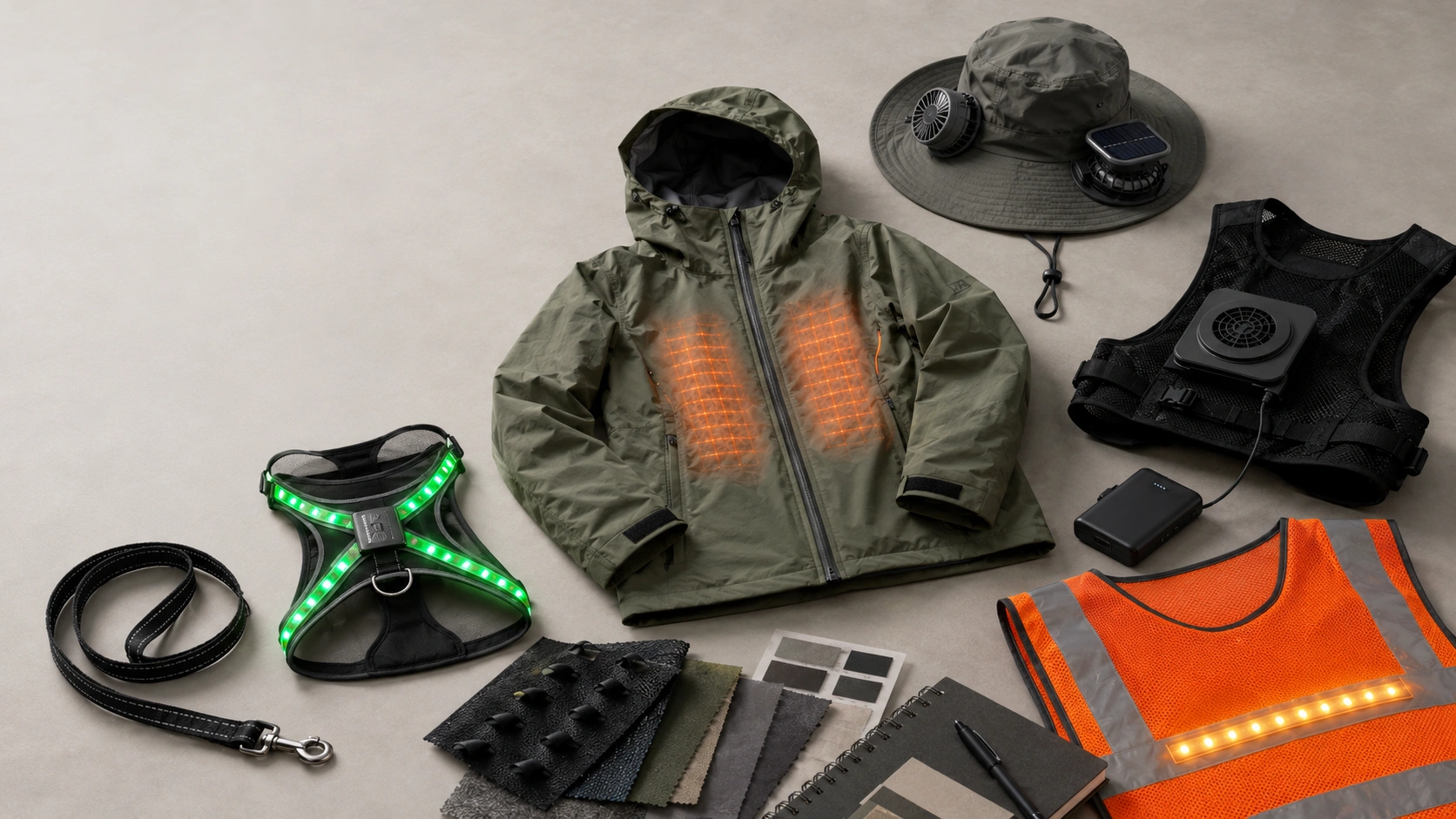
A complete outdoor product platform connects user needs, wearable structures, functional modules, power systems, and real application environments.
Direct answer
Outdoor product development connects a real user need with the correct wearable structure, functional module, power system, materials, and manufacturing method. A clear product system helps brands compare solutions, reduce development confusion, and move more efficiently from concept to production.
In this article
1.Why outdoor products need a system approach
2.Five functional product directions
3.Six layers of product development
4.Starting with the real use scenario
5.A practical OEM development process
6.Common questions
Key takeaways
Start with the user and application environment.
Separate the wearable structure from the functional module.
Define measurable requirements before discussing appearance.
Prototype the highest-risk component first.
Use real product evidence to support performance claims.
Why outdoor products need a system approach
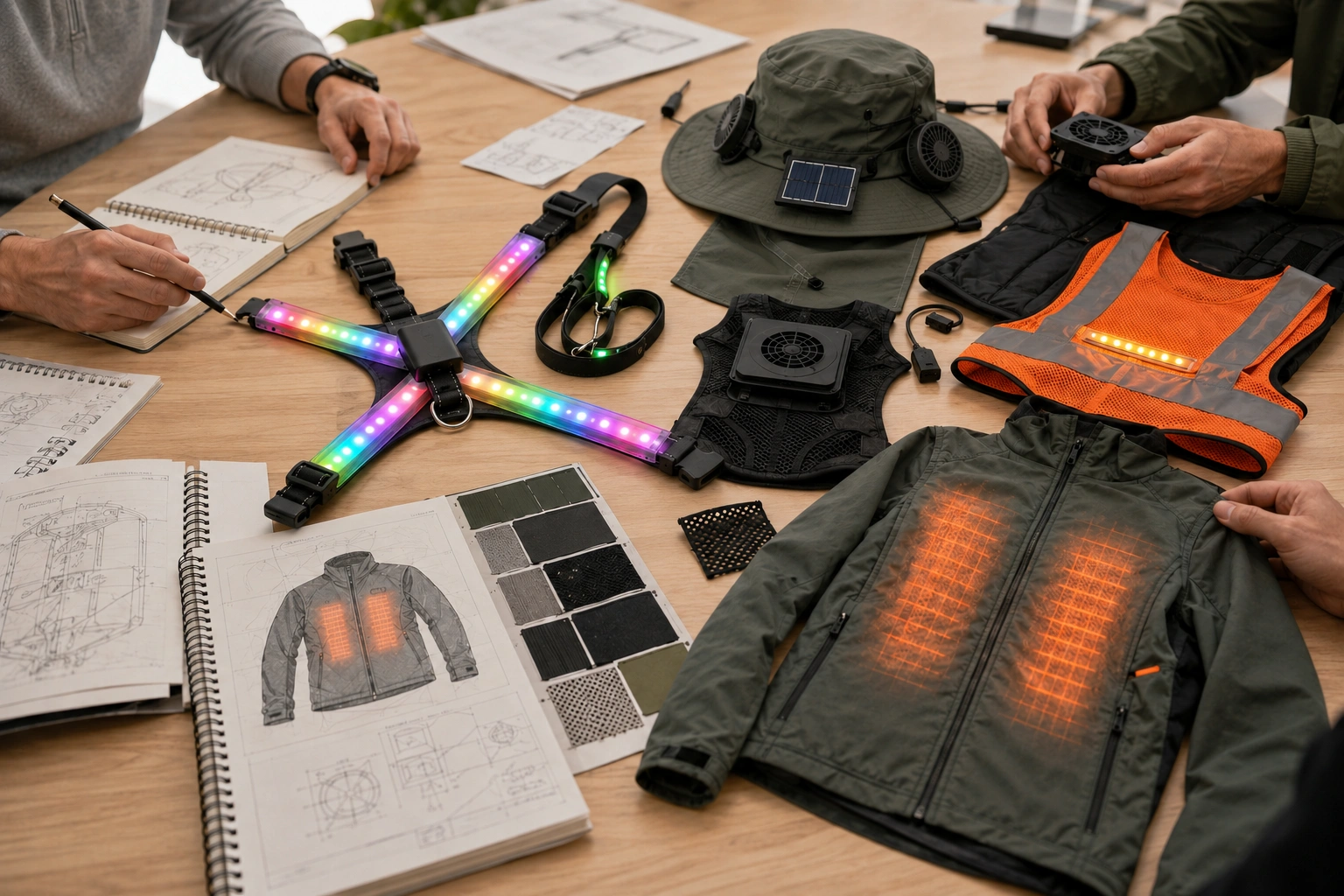
A functional outdoor product is rarely one component. A fan needs a garment structure and airflow path. A heating sheet needs layers, wiring, controls, and power. An LED strip needs attachment, visibility direction, charging, and protection. When development begins with only one module, the final product may look complete but remain difficult to wear, maintain, manufacture, or explain to buyers. A system approach separates each layer, then checks how the layers interact.
Five functional product directions
1. Visibility and Safety
LED dog harnesses, lighted leashes, warning light strips, and reflective workwear integrations help make people, pets, and equipment easier to notice in low-light environments.
2. Heating Solutions
Flexible graphene heating elements can be integrated into garments, sleeping bags, knee supports, wraps, socks, and inflatable warm apparel.
3. Cooling Gear
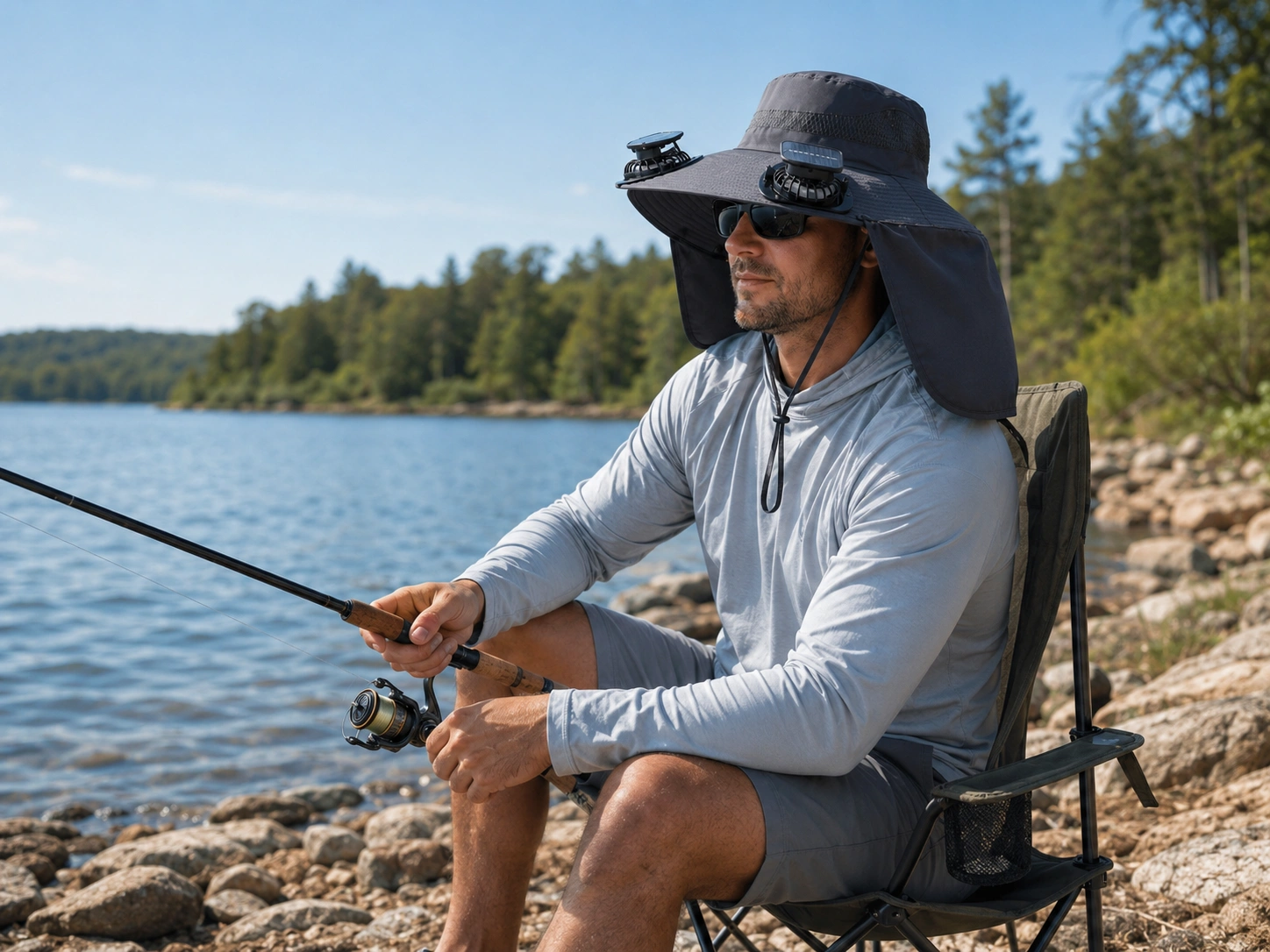
Fan garments and solar fan hats combine wearable structure, airflow direction, power, and outdoor use conditions.
4. Functional Materials
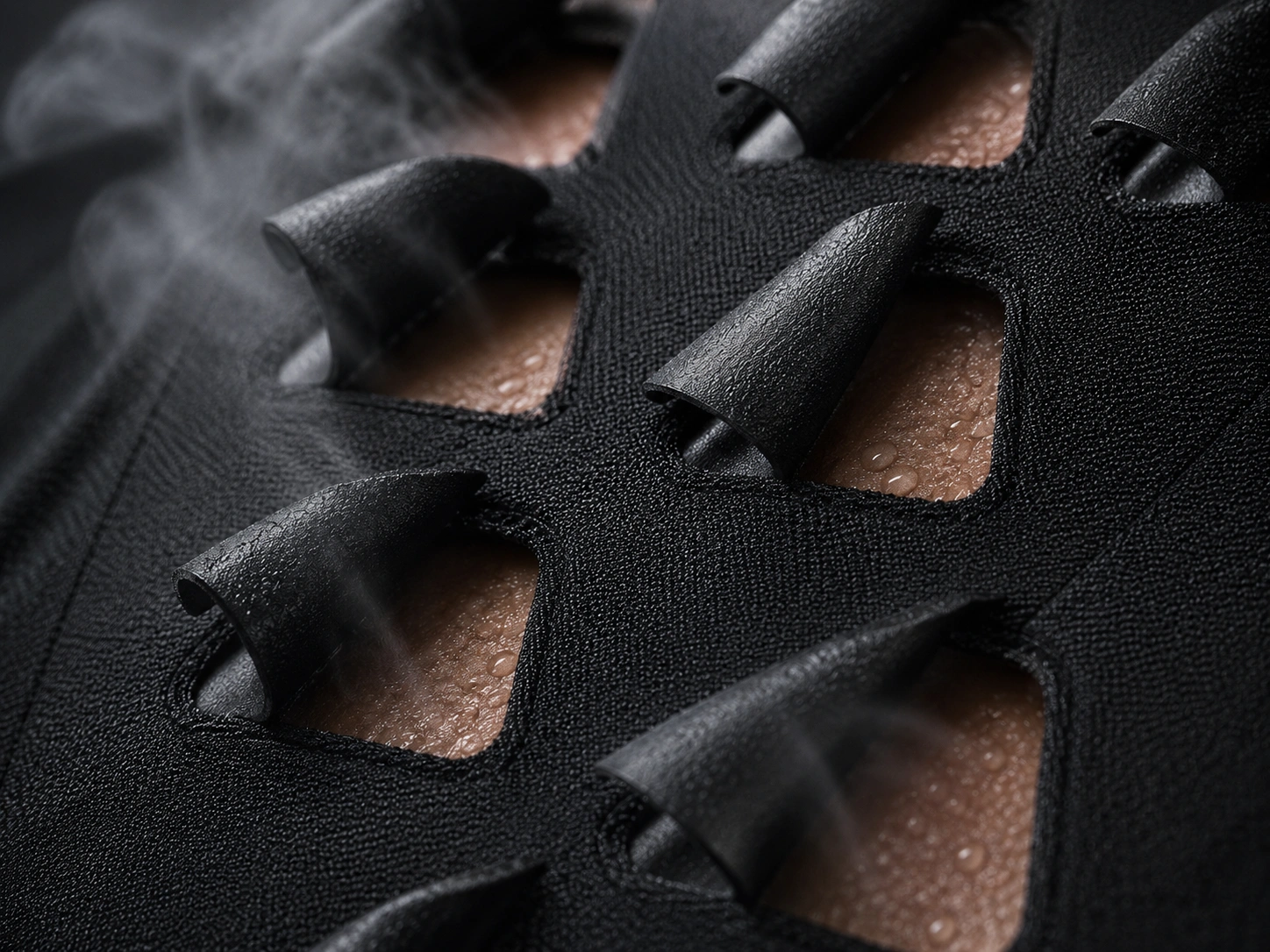
Moisture-responsive breathable structures and flexible heating materials can add function directly through the material or garment layer.
5. Outdoor Utility
Fishing, travel, work, camping, and safety applications often combine several technologies in one product program.
Outdoor work applications require compatibility with tools, movement, and safety equipment.
Fishing and travel products prioritize shade, localized airflow, balance, and comfort.
Six layers of functional product development
Layer
User Layer
Structural Layer
Functional Layer
Power Layer
Integration Layer
Brand Layer
Main Question
Who will use the product, and under what conditions?
What supports fit, shape, load, and movement?
What creates heating, cooling, light, or ventilation?
How is energy supplied, controlled, and charged?
How are modules attached, protected, removed, or maintained?
What colors, logos, packaging, and instructions are required?
Material behavior, pattern geometry, skin contact, garment stretch, and repeated use all affect the finished product.
Start with the real use scenario
“A cooling product for outdoor use” is too broad. A useful brief identifies the user, environment, core problem, required function, and design limits.
Outdoor Work
Consider protective equipment, sitting, tool belts, dust, movement, power access, and maintenance.
Pet Night Walking
Focus on viewing direction, fit, leash force, charging, control placement, and comfort.
Fishing and Travel
Balance shade, airflow, portability, weight, weather exposure, and storage.
Cold-Weather Comfort
Define heating zones, power, layer construction, wiring, control modes, and care requirements.
A practical OEM development process
Confirm the target user and application environment.
Select the wearable or product structure.
Define the functional module.
Confirm power, controls, and connectors.
Create and evaluate the first sample.
Revise fit, function, and appearance separately.
Confirm materials, branding, packaging, and instructions.
Approve the production sample and inspection points.
Separating structure, function, appearance, and manufacturability makes sample review more precise.
Matching product functions with applications
Customer Need
Night visibility
Outdoor cooling
Localized warmth
Adaptive ventilation
Fishing comfort
Product Direction
Visibility & Safety
Cooling Gear
Heating Solutions
Functional Materials
Outdoor Utility
Example Product
LED dog harness
Air-conditioned clothing
Graphene heating film
Moisture-responsive fabric
Solar fan hat
Common questions
Define the target user, environment, main problem, required function, expected quantity, target market, and any necessary packaging or compliance requirements.
Yes. A fan, heating element, LED strip, or control system can often be adapted to several applications, but the mechanical integration should be redesigned for each product.
OEM normally adapts an existing product platform to a buyer’s branding or specifications. ODM may include more product structure, function, and development work.
Review structure, function, comfort, power, appearance, durability, and manufacturability as separate categories.
Begin planning after the product structure and accessory list are stable, and finalize them after approval of the production sample.
About MotionWarm
MotionWarm develops functional outdoor products for brands, importers, distributors, and product teams. Our product platform covers heating, cooling, visibility, pet safety, functional materials, and OEM integration.